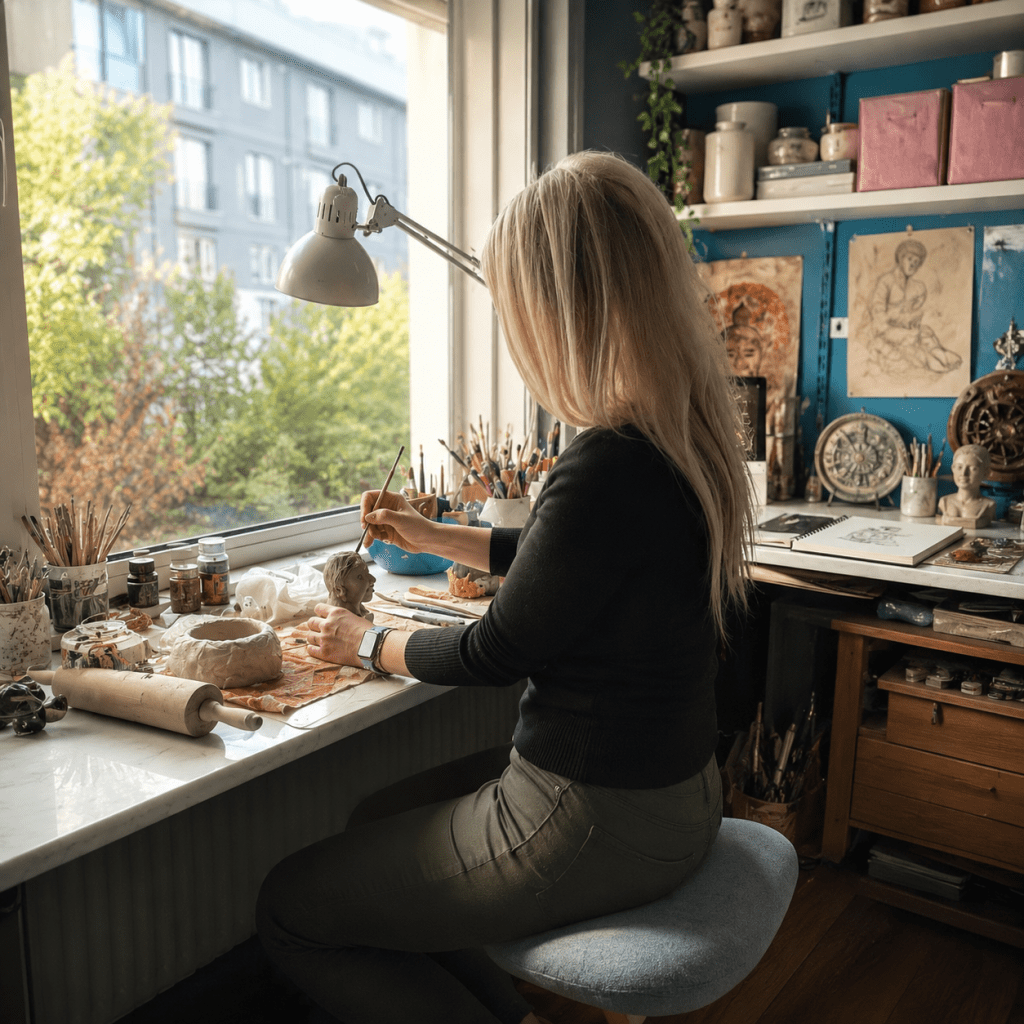
Inside the Studio
Melis Arslan’s studio practice brings together sculpture, ceramics, textile, drawing, and material research. Each work develops through an ongoing dialogue between Anatolian visual memory, contemporary experience, and hands-on experimentation.
About the Artist
Melis Arslan is an Istanbul-based sculptor, interdisciplinary artist, and art educator. Drawing from Seljuk, Phrygian, Hittite, and broader Anatolian visual traditions, she explores cultural memory, feminine identity, transformation, ritual, and belonging. Her practice moves between terracotta, ceramics, textile, watercolor, organic materials, and site-specific installation. Her works have been presented in Türkiye and internationally, and Karatay Girls is held in the permanent collection of Chang Kil-Hwan Art Museum in South Korea. Read More About Melis

Atölyem; kitapların, eskizlerin, malzemelerin, prototiplerin ve tamamlanmış eserlerin birbirini sürekli dönüştürdüğü yaşayan bir arşivdir. My studio functions as a living archive where books, sketches, materials, prototypes, and completed works continuously influence one another.


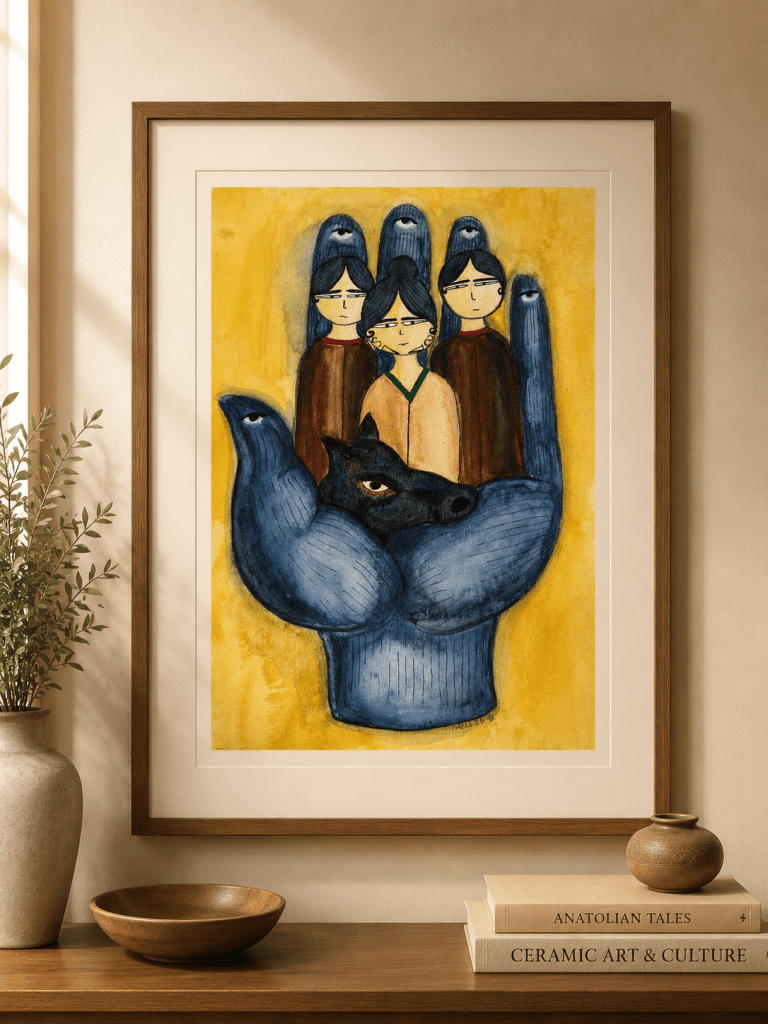
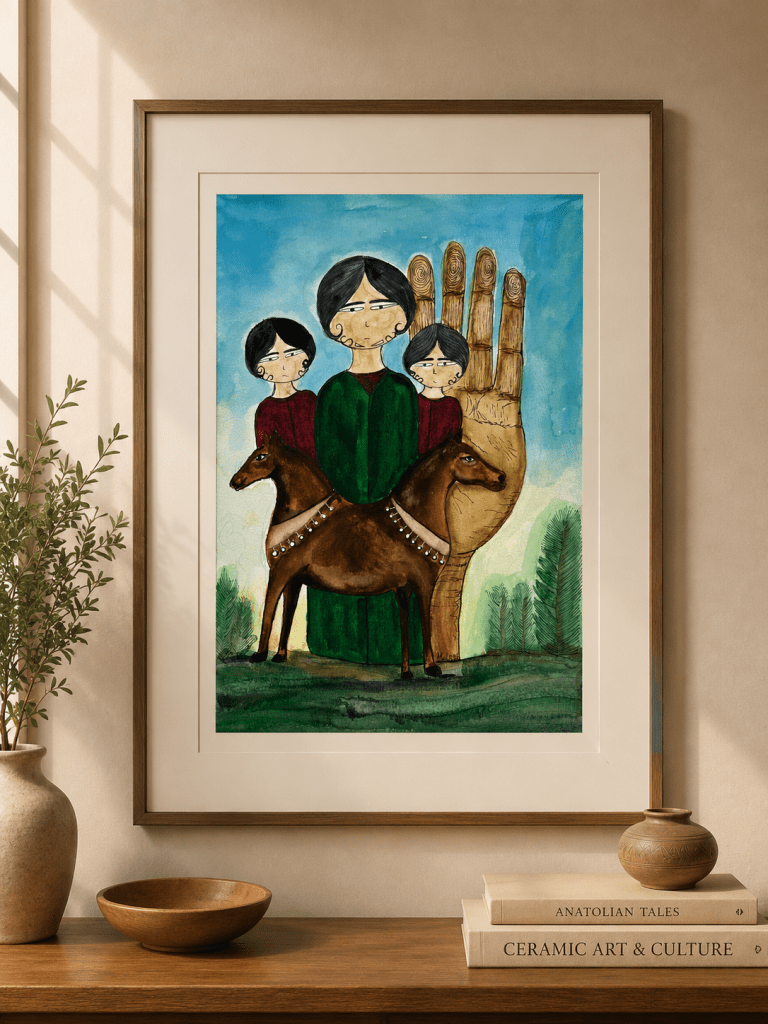
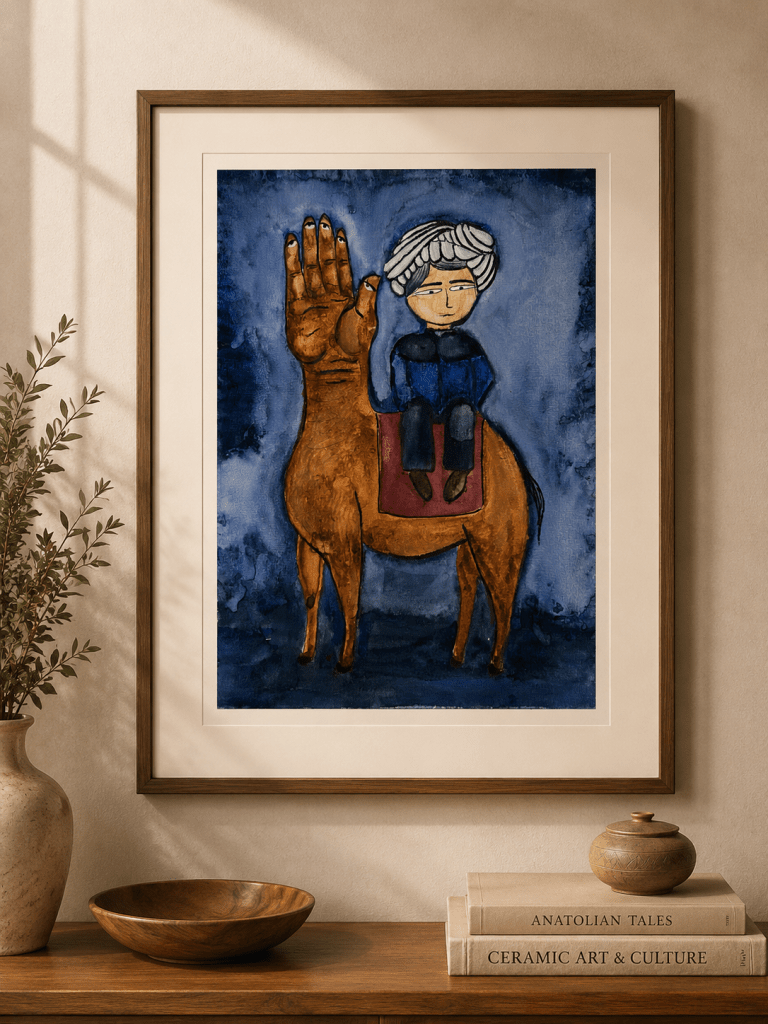
Timeless Ones
Nine-Part Series, 2026
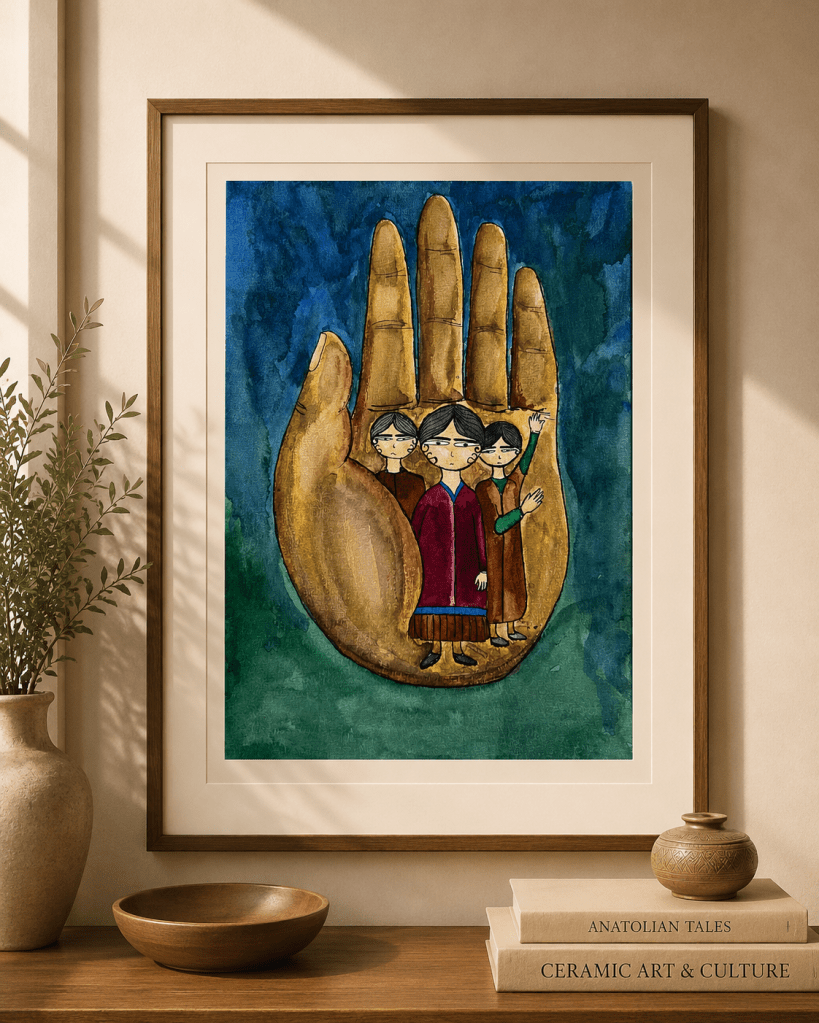
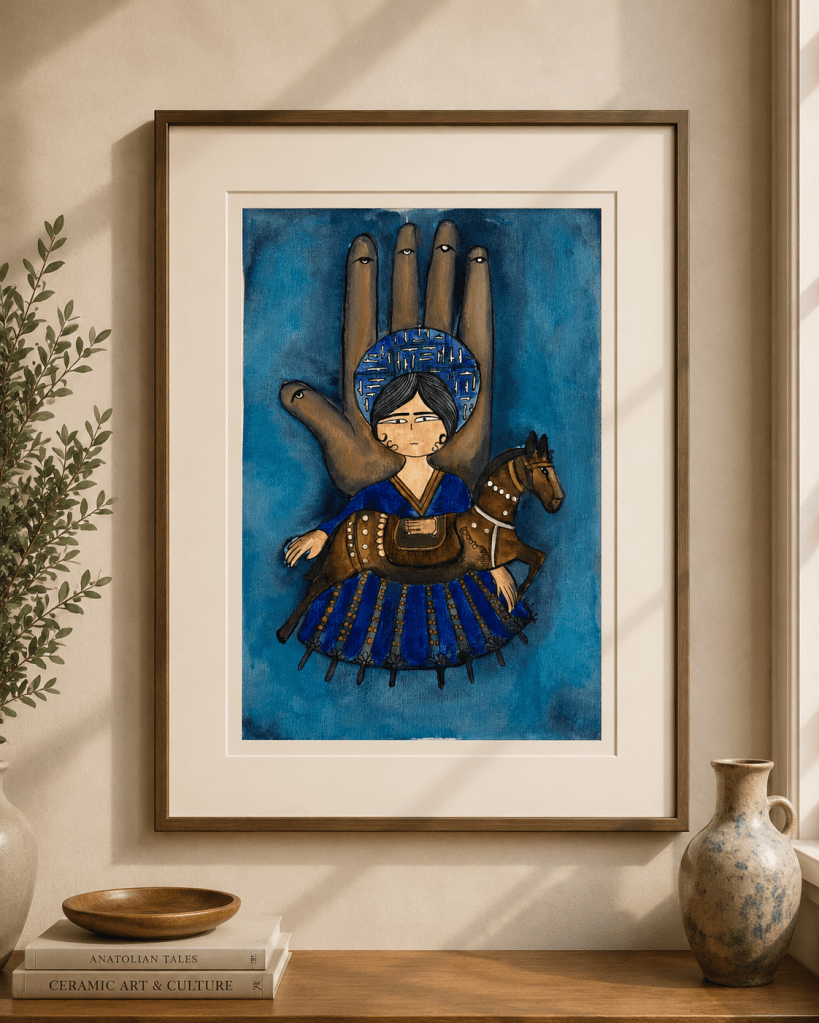
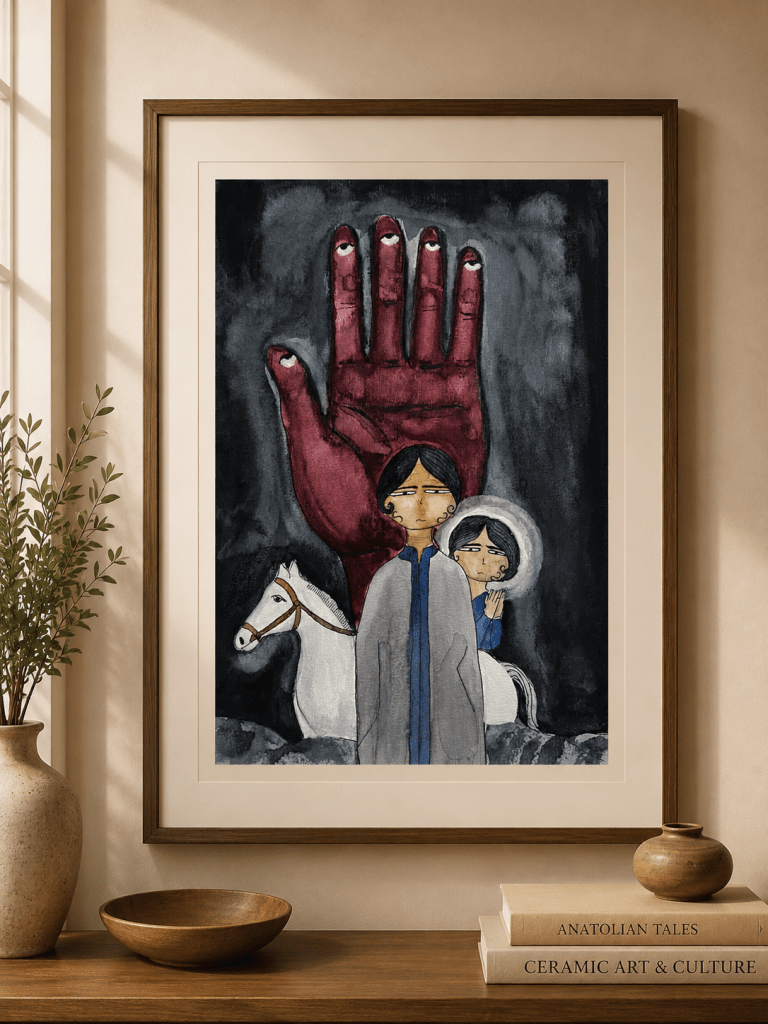
Timeless Ones is a nine-part series that reinterprets faces drawn from Seljuk and Anatolian visual memory through contemporary ideas of the body, identity, and belonging. Rather than representing a specific historical period or individual, the figures emerge as carriers of a collective memory moving between the past, present, and future. Zamansızlar, Dokuz parçalık seri, 2026 Selçuklu ve Anadolu görsel belleğinden taşınan yüzleri çağdaş beden, kimlik ve aidiyet kavramlarıyla yeniden yorumlayan dokuz parçalık bir seridir. Figürler belirli bir tarihsel dönemi ya da kişiyi temsil etmek yerine geçmiş, şimdi ve gelecek arasında dolaşan kolektif bir hafızanın taşıyıcıları olarak belirir.
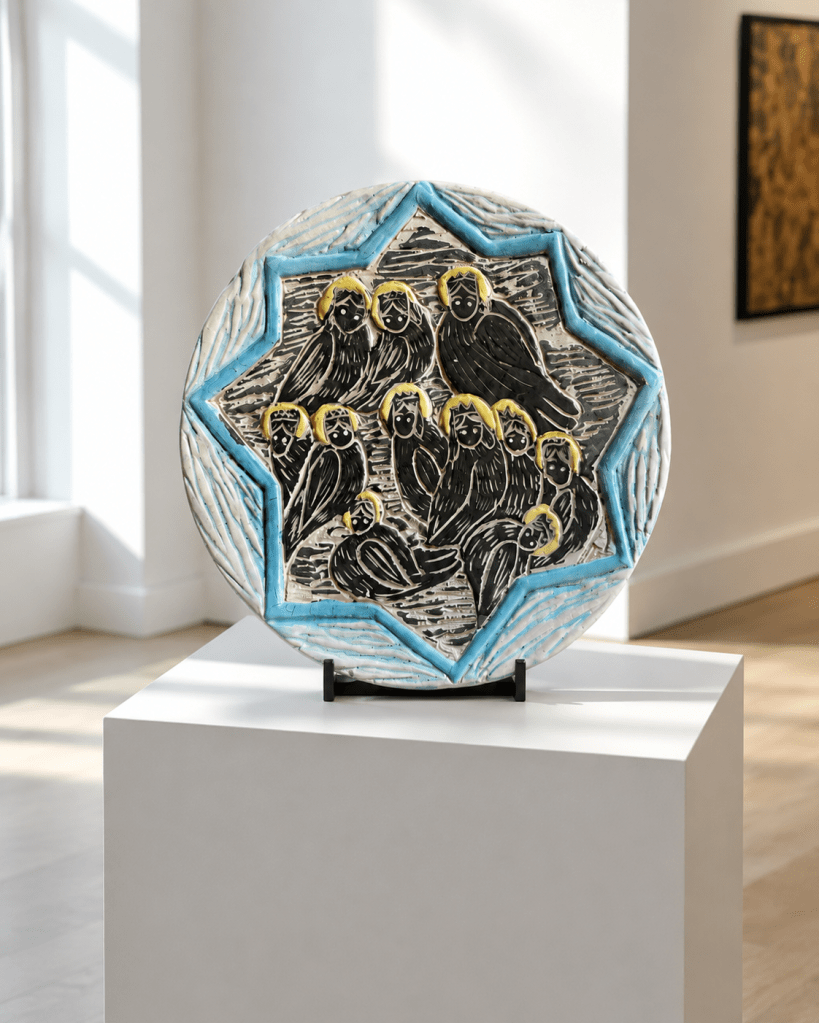
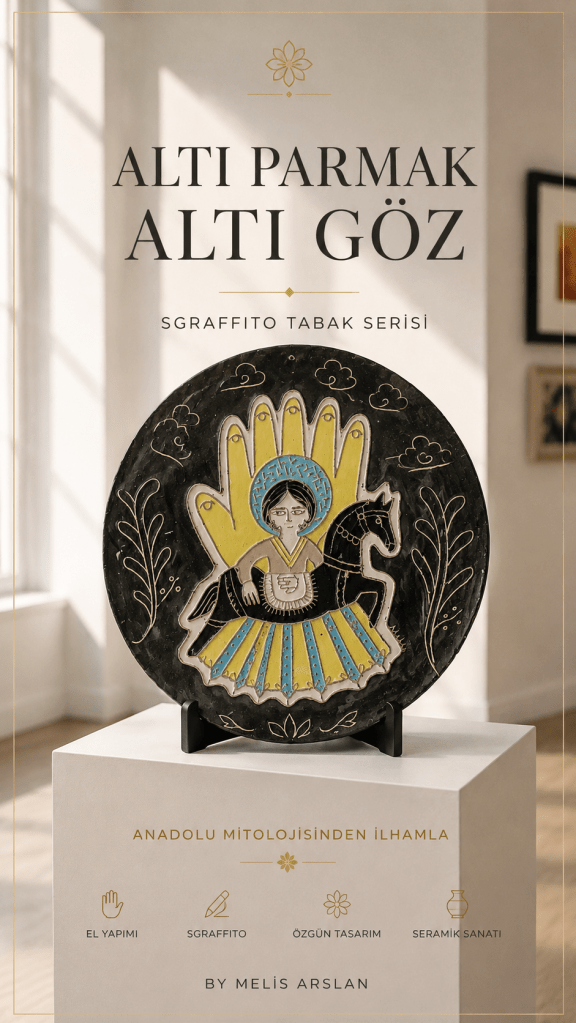


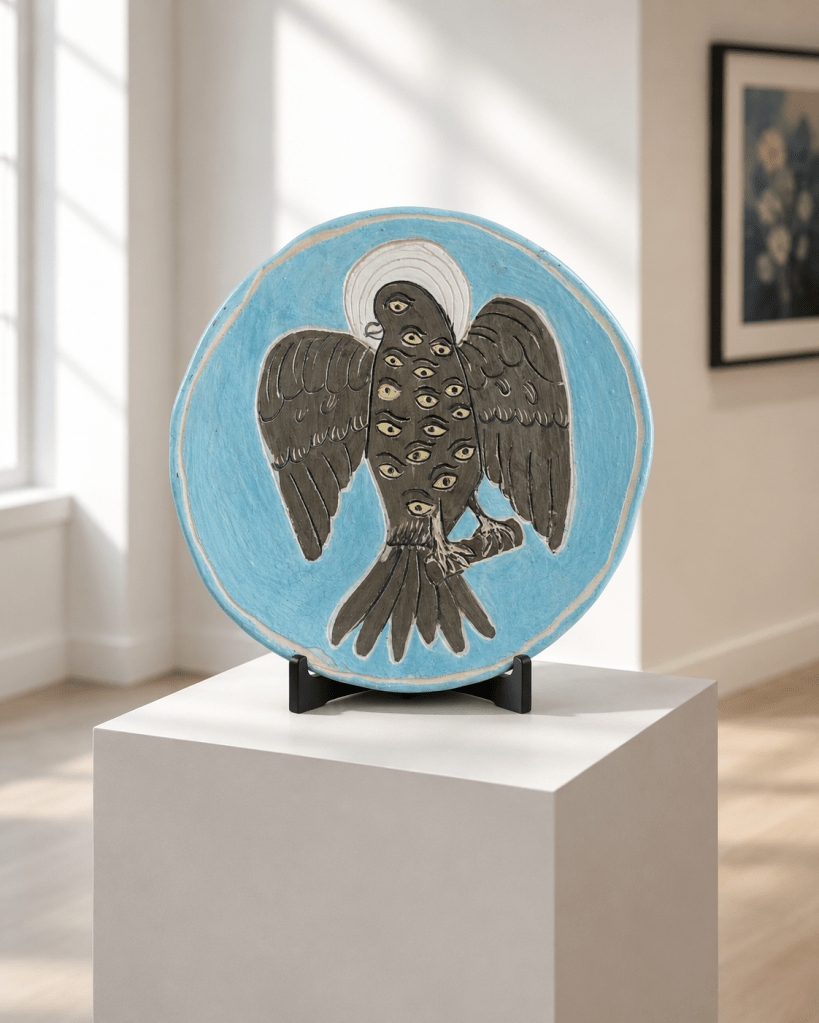
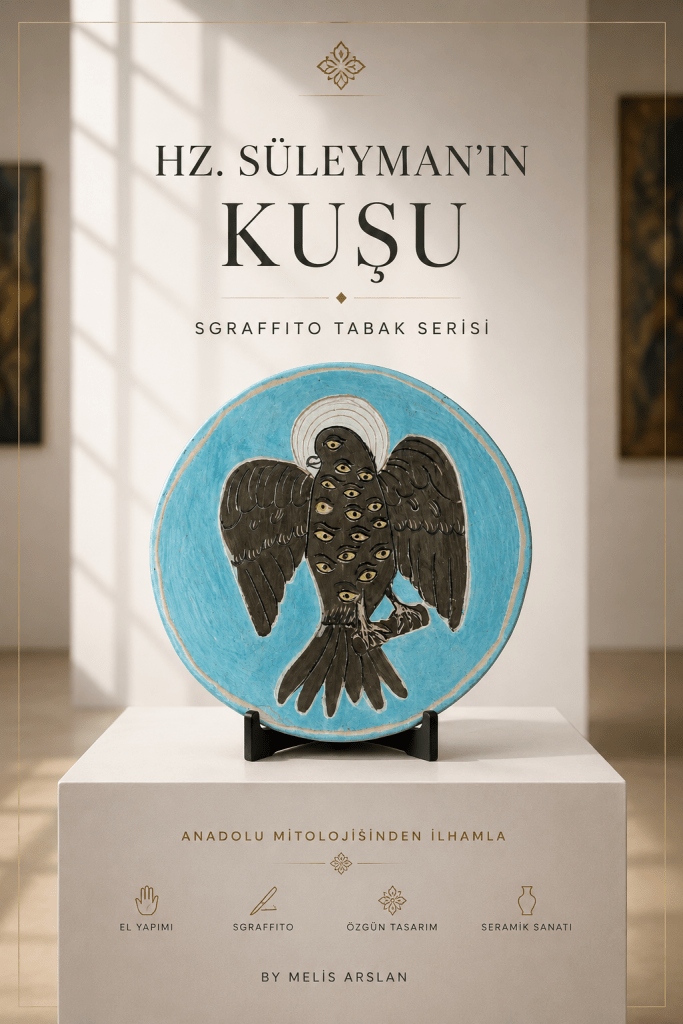


It reinterprets Anatolia’s cultural and symbolic memory through a contemporary visual language. Images of the hand, mounted figure, bull, many-eyed bird, stars, and community are brought together through incised lines, colored slips, and handmade ceramic surfaces. While each plate is conceived as an independent artwork, the collection as a whole forms a cohesive narrative around Seljuk aesthetics, mythology, protective symbols, and feminine memory. Anadolu’nun kültürel ve simgesel belleğini çağdaş bir görsel dille yeniden yorumlar. El, atlı figür, boğa, çok gözlü kuş, yıldız ve topluluk imgeleri; kazıma çizgileri, renkli astarlar ve el yapımı seramik yüzeyler aracılığıyla bir araya gelir. Her tabak bağımsız bir sanat eseri olarak tasarlanırken, koleksiyonun tamamı Selçuklu estetiği, mitoloji, koruyucu semboller ve dişil hafıza etrafında bütünlük oluşturur
Sgraffito Tabak Koleksiyonu
Bu koleksiyon, Anadolu’nun simgesel ve dekoratif hafızasını seramik tabak yüzeyleri üzerinde yeniden yorumlar. Selçuklu geometrileri, Karatay figürleri, koruyucu hayvanlar, bitkisel desenler ve mitolojik imgeler; renkli astar katmanlarının kazınmasıyla ortaya çıkan çizgisel bir dil içinde bir araya gelir.
Sgraffito tekniği, yüzeyde yalnızca desen oluşturmak için değil, geçmişin katmanlarını açığa çıkaran sembolik bir yöntem olarak kullanılır. Kazınan her çizgi, seramik yüzeyin altındaki farklı bir rengi ve hafızayı görünür hâle getirir.
Her tabak bağımsız bir eser olmakla birlikte, koleksiyonun tamamı Anadolu’nun kültürel katmanlarını çağdaş bir görsel arşiv olarak ele alır.Sgraffito Plates Sgraffito Plate Collection
This collection reinterprets Anatolia’s symbolic and decorative memory across the surfaces of handmade ceramic plates. Seljuk geometries, Karatay figures, protective animals, botanical patterns, and mythological imagery come together through a linear visual language revealed by carving through layers of colored slip.
The sgraffito technique is used not only to create patterns on the surface, but also as a symbolic method of uncovering layers of the past. Each incised line reveals a different color and memory beneath the ceramic surface.
Although every plate is conceived as an independent artwork, the collection as a whole approaches Anatolia’s cultural layers as a contemporary visual archive.
2026 · Ceramic, colored slip and sgraffito
Seljuk geometry, Karatay figures, animals, and Anatolian symbols are reimagined as contemporary ceramic surfaces.

Len Terani
2025 · Terracotta, patina and gold leaf
Len Terani questions the contemporary individual’s way of seeing through a crowd bent toward screens and a golden light descending from above. The work explores attention, sacred presence, and the distance that emerges when people become too occupied to perceive what is directly before them.